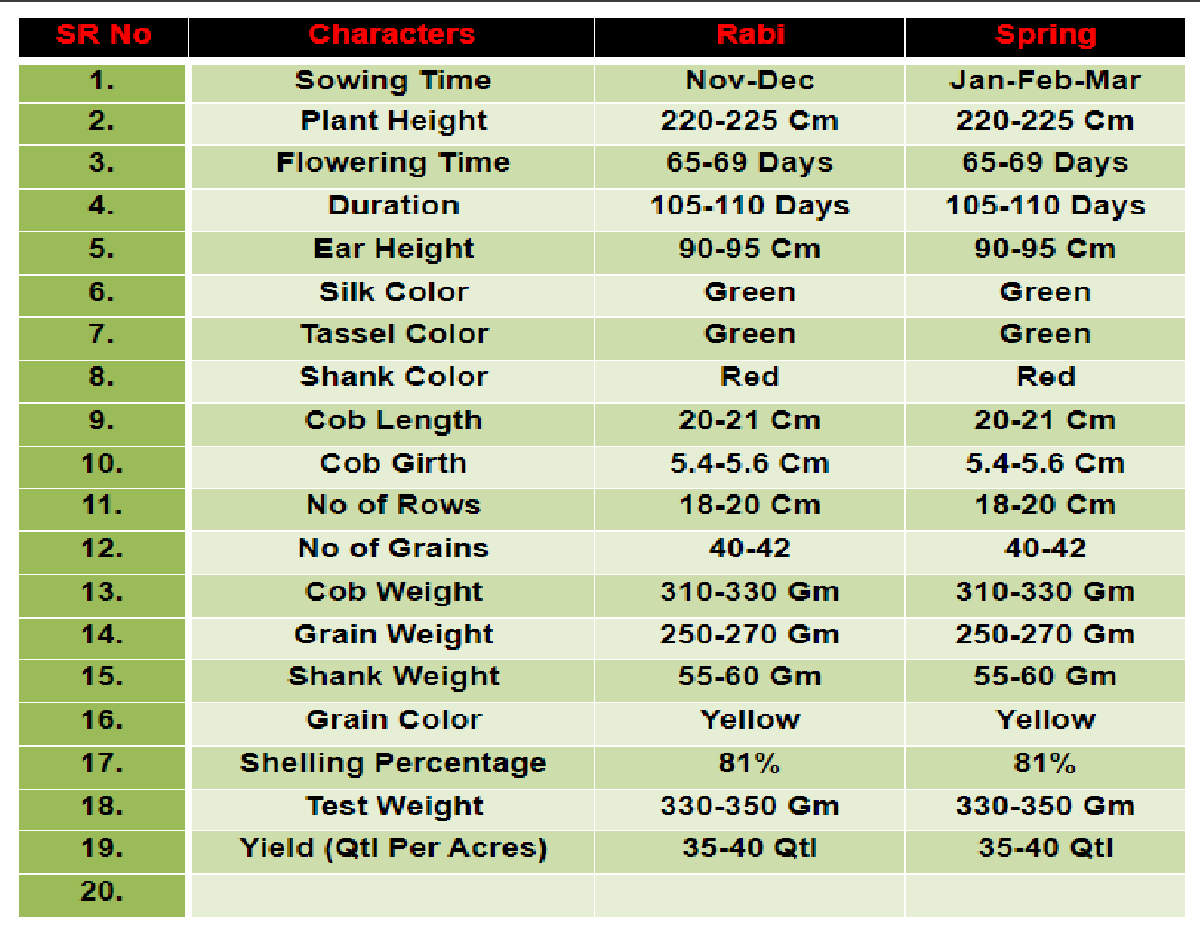

Hybrid varieties
DP Seeds is dedicated to providing an exceptional range of hybrid seed varieties that epitomize productivity and innovation.

Diverse seed varieties
Our seed company takes pride in providing a wide range of seed varieties that meet the distinct preferences.

Agricultural Experts
At DP Seeds, Collaboration with agricultural specialists is the foundation of our commitment to excellence.
Hybrid Maize
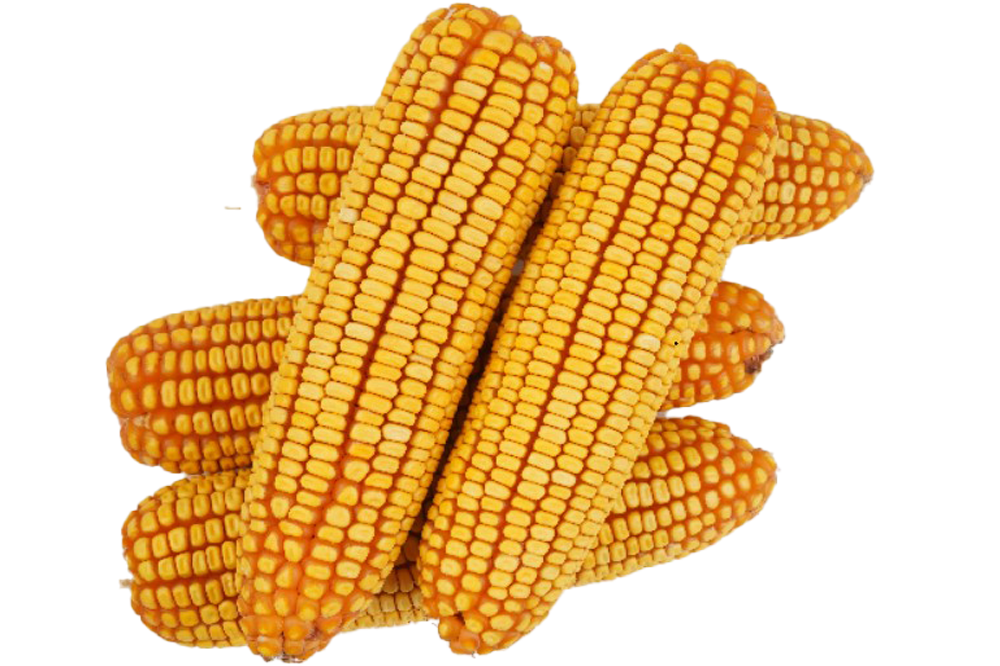
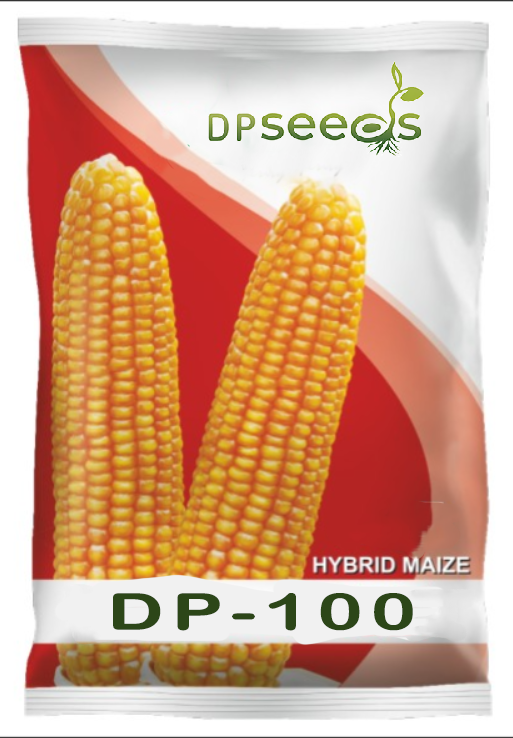
Hybrid maize, also known as hybrid corn, is maize (corn) developed through controlled cross-breeding of different parent lines to combine desirable traits from each. Hybrid maize is a key innovation in modern agriculture, enhancing various aspects of maize production.
How Hybrid Maize Is Developed
Parent Selection: Hybrid maize is created by crossing two distinct maize lines, each selected for specific traits such as high yield, pest resistance, drought tolerance, or disease resistance.
Cross-Breeding: Controlled pollination techniques are used to ensure that the traits of both parent lines are combined in the hybrid seeds. This involves transferring pollen from one maize plant to another.
Selection and Testing: The hybrid seeds are grown and evaluated in different conditions to test their performance in terms of yield, disease resistance, and other factors. Only those hybrids that meet the desired criteria are selected for further development.
Commercial Production: Successful hybrids are multiplied and produced for commercial use.
Hybrid Paddy
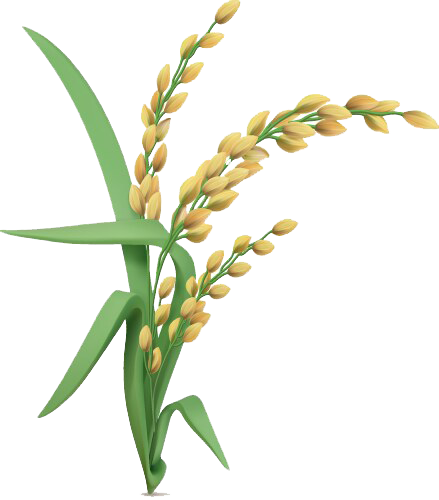
Hybrid paddy, also known as hybrid rice, is a type of rice that’s grown from two different parent varieties. It has several advantages over regular rice, including:
- Higher yield: Hybrid paddy can yield more per hectare than regular rice.
- More panicles and grains: Hybrid paddy has more panicles and grains per panicle than regular rice.
- More vigorous: Hybrid paddy is more vigorous than regular rice, which makes it more competitive with weeds.
- More resistant to disease and insects: Hybrid paddy is more resistant to disease and insects than regular rice.
- Adaptable to adverse conditions: Hybrid paddy can be grown in adverse conditions.

Hybrid Mustard
Hybrid mustard refers to mustard varieties that are created by cross-breeding different mustard plants to combine desirable traits from each parent. This can include factors like improved flavor, higher yields, better disease resistance, or enhanced nutritional value.
There are a few key types of mustard plants typically involved in breeding:
- Yellow Mustard (Sinapis alba): Known for its mild flavor, commonly used in yellow mustard condiments.
- Brown Mustard (Brassica juncea): Has a spicier flavor and is often used in prepared mustards and Indian cuisine.
- Black Mustard (Brassica nigra): Known for its sharp and pungent flavor, used in various culinary applications and pickling.
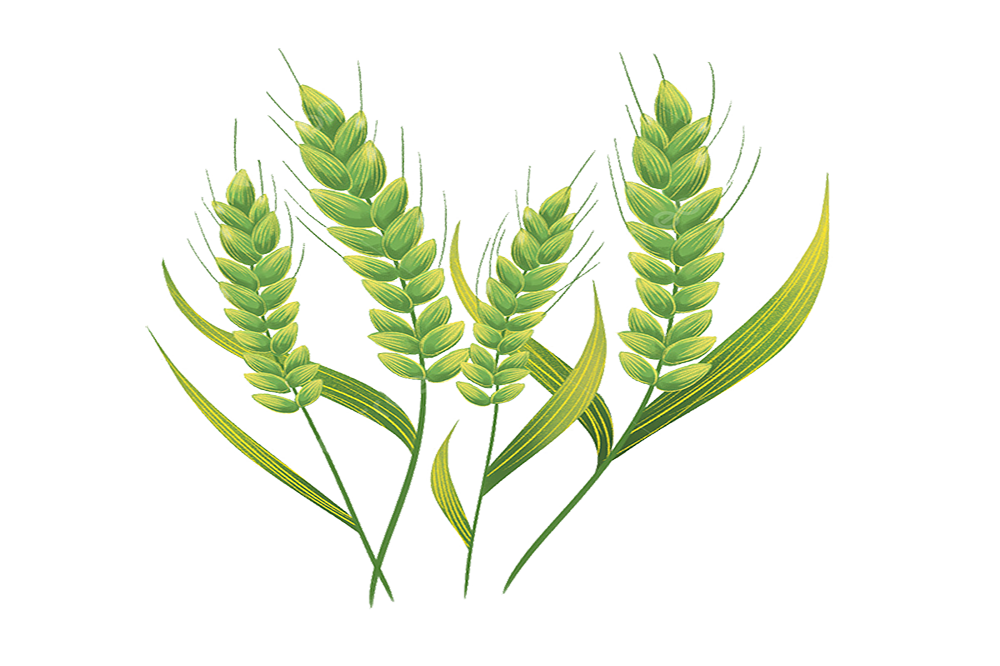
Research Wheat
How Research Wheat Is Developed
- Parent Selection: Research wheat is developed by crossing two different wheat varieties (parent lines) with specific traits. These parents are chosen for their unique characteristics, such as high yield potential, disease resistance, or quality.
- Cross-Breeding: The selected parent lines are crossed to produce hybrid seeds. This involves controlled pollination techniques to ensure that the traits of both parent lines are combined effectively.
- Selection and Testing: The hybrid seeds are grown and evaluated for their performance in terms of yield, quality, and resistance to pests and diseases. Successful hybrids are then further developed and tested in various growing conditions.
- Commercial Production: Once a hybrid variety meets the desired criteria, it is multiplied and produced on a larger scale for commercial farming.
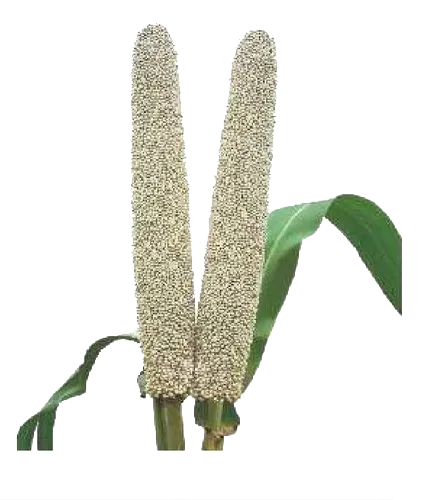
Hybrid Bajra
Hybrid bajra (or hybrid pearl millet) is a type of pearl millet that is produced by crossing different varieties to create a hybrid with desirable traits. Here’s a bit more detail:
Benefits of Hybrid Bajra:
Higher Yields: Hybrid bajra varieties are often engineered to produce higher yields compared to traditional varieties. This is beneficial for farmers aiming to maximize their crop output.
Disease Resistance: Many hybrid bajra varieties are bred to resist common pests and diseases, which helps reduce the need for chemical treatments and can lead to more stable production.
Drought Tolerance: Pearl millet is already known for its drought resistance, but hybrid varieties can enhance this trait, making it more suitable for regions with water scarcity.
Improved Quality: Hybrid bajra can have better grain quality in terms of size, color, and nutritional content, which can be advantageous for both consumption and marketability.